
SEO for Beginners — practical step-by-step experience + practical steps
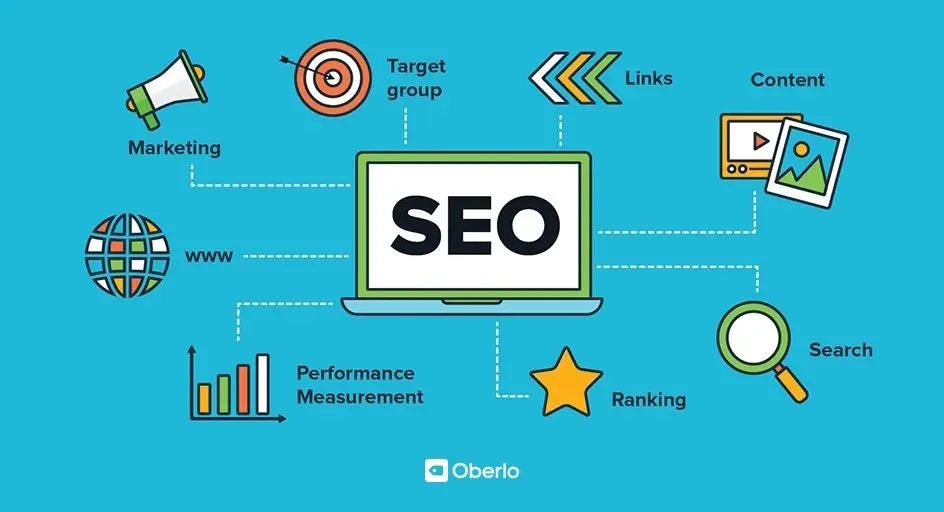
SEO for Beginners starts with understanding how search engines discover, understand, and rank web pages. If you’ve ever wondered why some websites appear on the first page of Google while others remain invisible, the answer is often SEO (Search Engine Optimisation).
One Small Change Can Make a Big Difference. SEO seemed complicated. There were technical terms, endless checklists, and conflicting advice everywhere. But once I understood the fundamentals, I realised that SEO isn’t about tricking Google—it’s about creating a better experience for people while making it easier for search engines to understand your website.
Whether you’re a business owner, freelancer, student, or someone building a personal brand, understanding SEO can help you attract the right audience without relying only on paid advertising.
SEO for Beginners: What Is SEO?
SEO, or Search Engine Optimisation, is the process of improving your website so it appears higher in search engine results when people search for topics related to your business.
Imagine you own a coffee shop. If someone searches “best coffee shop near me”, your goal is to appear among the first few results. That’s exactly what SEO helps you achieve.
The higher your website ranks, the more people discover your business naturally.
Why SEO Matters
Every day, millions of people search Google before making decisions.
They search for:
- Products
- Services
- Local businesses
- Solutions to problems
- Reviews
- Tutorials
If your website is properly optimised, Google is more likely to recommend your content to those users.
Good SEO can help you:
- Increase organic website traffic
- Build trust with potential customers
- Improve brand visibility
- Generate quality leads
- Reduce long-term advertising costs
- Create sustainable business growth
Unlike paid ads, SEO continues working even after your content is published.
The Three Main Types of SEO
1. On-Page SEO
This focuses on everything you can improve directly on your website.
Examples include:
- Writing clear page titles
- Using descriptive headings
- Creating valuable content
- Optimizing images
- Improving internal linking
- Making content easy to read
Good content is always the foundation of successful SEO.
2. Technical SEO
Technical SEO helps search engines crawl and understand your website.
It includes:
- Fast loading speed
- Mobile-friendly design
- Secure HTTPS connection
- XML sitemap
- Clean website structure
- Fixing broken links
Even excellent content may struggle to rank if technical issues prevent search engines from accessing your site properly.
3. Off-Page SEO
Off-page SEO refers to actions that happen outside your website.
Examples include:
- Backlinks from trusted websites
- Brand mentions
- Guest blogging
- Social media sharing
- Online reputation
Think of backlinks as recommendations. When trusted websites link to yours, search engines see your content as more trustworthy.
Create Content for People First
One of the biggest mistakes beginners make is writing only for search engines.
Instead, ask yourself:
“What problem does my audience want to solve?”
When your content genuinely helps readers, search engines notice.
Helpful content naturally earns more engagement, shares, and backlinks over time.
Keyword Research
Before writing any article, understand what people are searching for.
Good keyword research helps you discover:
- Common questions
- Search demand
- User intent
- Content opportunities
Instead of guessing topics, create content based on real searches.
For example:
Instead of writing
“Marketing Ideas”
write something more specific like
“How Small Businesses Can Improve Their Online Visibility.”
Specific topics often perform better because they directly answer user questions.
Write Better Headlines
Your headline is the first thing people notice.
A good headline should be:
- Clear
- Specific
- Helpful
- Easy to understand
Avoid confusing or overly complicated titles.
Simple headlines usually perform better.
Don’t Ignore Website Speed
People expect websites to load quickly.
If your website takes too long, visitors leave before reading anything.
A faster website improves:
- User experience
- Engagement
- Search rankings
- Conversion rates
Simple improvements include:
- Compressing images
- Removing unnecessary plugins
- Using caching
- Choosing quality hosting
Mobile Optimisation is Essential
Today, most visitors browse using smartphones.
If your website doesn’t work well on mobile devices, you’re likely losing visitors.
Check that your website:
- Loads quickly
- Has readable text
- Uses responsive layouts
- Has buttons that are easy to tap
A mobile-friendly website creates a much better experience.
Build Internal Links
Internal links connect one page of your website to another.
For example:
A blog about website design can link to another article about SEO.
Internal linking helps:
- Visitors discover more content
- Search engines understand your website
- Improve page authority
It’s simple but incredibly effective.
Optimize Images
Images improve user experience, but they should also be optimised.
Use:
- Descriptive filenames
- Alt text
- Compressed image sizes
- Modern image formats where possible
Optimised images help pages load faster and can even appear in Google Image Search.
Measure Your SEO Performance
SEO isn’t something you do once and forget.
Regularly monitor your performance using tools like:
- Google Search Console
- Google Analytics
Track important metrics such as:
- Organic traffic
- Keyword rankings
- Click-through rate
- Bounce rate
- Top-performing pages
The more you measure, the easier it becomes to improve.
Common SEO Mistakes
Many beginners make avoidable mistakes.
Some of the most common include:
- Publishing thin content
- Ignoring mobile optimization
- Slow website speed
- Missing meta descriptions
- Duplicate content
- Broken links
- Poor website structure
- Forgetting internal links
Fixing these issues often produces noticeable improvements.
SEO is a Long-Term Investment
One thing I’ve learned while studying digital marketing is that SEO rewards patience.
You won’t usually see results overnight.
Instead, think of every blog post, optimised page, and helpful article as an investment.
Over time, those efforts compound.
As your website grows, search engines begin trusting your content more, and visitors continue discovering your work without ongoing advertising costs.
One Small Change Can Make a Big Difference
If you’ve made it this far, you’re already ahead of many people who never take the time to understand SEO. Now it’s time to put that knowledge into action.
You don’t need to optimize everything in one day. Improve one page, publish one helpful article, speed up one section of your website—then repeat the process.
Over time, those small improvements add up, helping your website reach the right audience and creating opportunities you might never have expected. If you are just starting your digital journey, SEO for Beginners can help you understand the basic steps needed to improve your website visibility.
Remember: SEO is a journey, not a shortcut. The sooner you start, the sooner you’ll begin seeing the results of your efforts.