
What I Learned From Digital Marketing
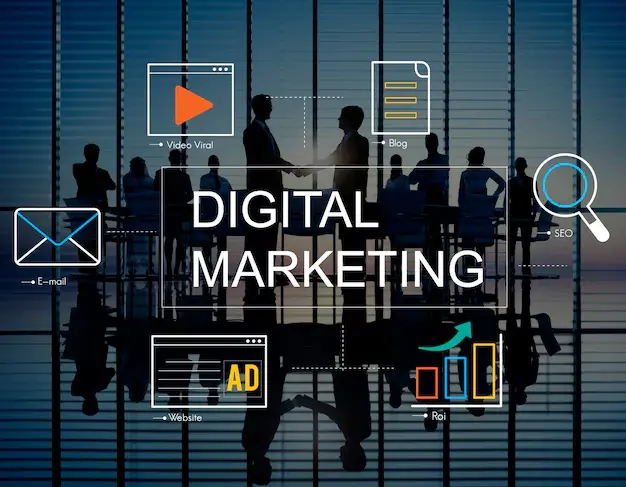
A few years ago, if someone had asked me what digital marketing was, I probably would have said, “It’s about posting on Instagram and running ads.” Like many beginners, I had that understanding of the industry. But as I started learning, practicing, and exploring different marketing strategies, I realized that digital marketing is much bigger than social media posts and advertisements.
Today, digital marketing is everywhere. Every time you search for something on Google, watch a YouTube video, scroll through Instagram, open a marketing email, or click on an online advertisement, you’re interacting with digital marketing in some way.
One of the biggest things I learned is that digital marketing is not really about selling. It’s about understanding people, solving their problems, and delivering the right message at the right time.
What Is Digital Marketing in Simple Words?
If someone asks me, “What is digital marketing in simple words?”, I would explain it like this:
Digital marketing is the process of promoting products, services, or brands using the internet and digital platforms.
Instead of relying only on newspapers, television, radio, or billboards, businesses use websites, search engines, social media platforms, emails, and online advertising to reach customers.
Think about how you discover new products today.
Maybe you find a local café through Instagram.
Maybe you search Google for the best smartphone under your budget.
Maybe you watch a product review on YouTube before making a purchase.
All of these experiences are examples of digital marketing in action.
The internet has changed how businesses communicate with customers, and digital marketing helps bridge that connection.
What Is Digital Marketing? Explain with examples.
One of the easiest ways to understand digital marketing is through real-life examples.
Let’s say you own a coffee shop.
You create an Instagram page and regularly post attractive photos of your drinks. That’s social media marketing.
You write a blog about the best coffee brewing methods, helping your website rank on Google. That’s SEO and content marketing.
You send special discount offers to your customers through email. That’s email marketing.
You run a Google advertisement targeting people searching for coffee shops near them. That’s PPC advertising.
These examples show that digital marketing is not a single strategy. It’s a collection of methods that help businesses reach and engage their audience online.
What Are the 4 Types of Digital Marketing?
While there are many digital marketing channels, four major types form the foundation of most marketing strategies.
Search Engine Optimization (SEO)
SEO helps websites appear higher in search engine results.
For example, when someone searches for “digital marketing tips” or “best coffee shop near me,” businesses want their website to appear on the first page of Google.
SEO focuses on content quality, keywords, website performance, and user experience.
Social Media Marketing
Social media marketing involves promoting brands on platforms like Instagram, Facebook, LinkedIn, and TikTok.
Businesses use social media to connect with audiences, build communities, increase engagement, and strengthen brand awareness.
Content Marketing
Content marketing focuses on creating valuable content such as blog articles, videos, guides, podcasts, and infographics.
Instead of directly selling products, businesses provide useful information that builds trust with their audience.
Pay-Per-Click Advertising (PPC)
PPC advertising allows businesses to display ads on Google and social media platforms.
The business pays only when someone clicks on the advertisement, making it one of the most measurable forms of digital marketing.
These four strategies work together to help businesses grow online.
What Are the 7 Types of Digital Marketing?
As I learned more about the industry, I discovered that digital marketing extends beyond the four main categories.
The seven popular types of digital marketing include:
- Search Engine Optimization (SEO)
- Content Marketing
- Social Media Marketing
- Pay-Per-Click Advertising (PPC)
- Email Marketing
- Influencer Marketing
- Affiliate Marketing
Each type serves a unique purpose.
SEO helps businesses gain visibility on search engines.
Content marketing educates audiences.
Social media marketing builds engagement.
Email marketing nurtures customer relationships.
Influencer marketing uses trusted creators to promote products.
Affiliate marketing rewards partners for generating sales.
Together, these strategies create a complete digital marketing ecosystem.
What Is a Digital Marketing Job?
Before studying digital marketing, I often wondered what digital marketers actually do every day.
The answer depends on the role.
A digital marketing job involves helping businesses grow their online presence and attract customers through digital channels.
Some professionals focus on SEO.
Others specialize in content creation.
Some manage social media accounts.
Others run advertising campaigns and analyze performance data.
Common responsibilities may include:
- Creating content
- Managing social media pages
- Running paid advertisements
- Optimizing websites for search engines
- Writing blog posts
- Tracking website traffic
- Creating email campaigns
- Building brand awareness
One thing I quickly learned is that digital marketing offers many career opportunities because businesses of all sizes need online visibility.
What Is a Digital Marketing Course?
A digital marketing course is a learning program that teaches individuals how to market products and services online.
Most beginner courses cover topics such as the following:
- SEO fundamentals
- Content marketing
- Social media marketing
- Google Ads
- Email marketing
- Website optimization
- Analytics and reporting
However, one lesson I learned early is that completing a course is only the beginning.
Digital marketing changes constantly.
New algorithms appear.
Consumer behavior evolves.
Platforms introduce new features.
The most successful digital marketers continue learning long after their courses end.
The Biggest Lesson Digital Marketing Taught Me
The most valuable lesson I learned from digital marketing is that numbers don’t tell the whole story.
Many beginners focus only on likes, views, followers, and website traffic.
While these metrics are important, they don’t automatically guarantee success.
What truly matters is building trust and creating value.
A small business with a highly engaged audience often performs better than a business with thousands of followers who never interact.
People connect with authenticity.
They engage with useful content.
They trust brands that consistently help them solve problems.
Digital marketing is ultimately about relationships.
The businesses that focus on helping people rather than simply selling products are often the ones that achieve long-term success.
As I continue learning digital marketing, that lesson remains the most important one of all.